
How Are Smartphones Reshaping Global Shopping Behavior?
by Miles Warren
December 04,2025
Smartphones influence global shopping behavior by changing how people search, compare, decide, and buy. The device sits at the center of everyday routines, guiding users through small and large purchasing decisions with ease. People learn about products during commutes, compare prices while walking through physical stores, and check reviews before placing an order. The phone becomes part of every step of the journey. It helps shoppers feel more prepared, more informed, and more confident. Because smartphones fit naturally into daily interactions, they reshape shopping patterns worldwide by linking instant access, personalized discovery, and simple checkout experiences into one continuous flow.

How Smartphones Transform the Shopping Journey
Making Product Discovery Faster and More Personal
Smartphones guide shoppers to new products quickly and naturally. People often discover items while browsing during short breaks or while talking with friends. A phone helps them explore details right away. They can view options, check availability, and save interesting items for later. This seamless discovery strengthens the connection between curiosity and action. A user doesn’t wait for a planned shopping session; they follow their interest in the moment. This immediacy encourages more exploration and expands what shoppers consider. With repeated use, people gain a clearer sense of their preferences. They trust their instincts more because they can instantly look deeper into any category. The result is a more personalized shopping journey shaped by spontaneous discovery and guided decisions.
Allowing Instant Comparisons That Build Buyer Confidence
Shoppers use their phones to compare products, prices, and features the moment a question arises. This instant comparison prevents uncertainty and supports confident choices. When standing inside a store or browsing online, a user can evaluate similar items side by side, check descriptions, or explore visual examples. These easy checks reduce guesswork. The shopper becomes more aware of the value they receive and can choose what fits their needs with clarity. This confidence reduces hesitation and speeds up purchasing decisions. Because phones provide all the information on one screen, people form habits of verifying rather than relying on memory or assumptions. Over time, these habits grow into a reliable decision-making rhythm that feels natural and empowering.
Supporting Seamless Transitions Between Online and Offline Shopping
Smartphones blend digital and physical shopping into one smooth experience. Shoppers often begin researching on their phone, visit a store to see the item in person, and then complete the purchase online. They might also do the reverse—discover something in a store, take a picture, and order it later. The phone holds the entire thread of the journey. It saves wish lists, tracks items, and helps users stay organized even when switching environments. This fluid movement between spaces reflects global behavior, where shoppers expect consistency whether they are at home, traveling, or walking through a mall. Because phones handle this coordination effortlessly, the boundaries between online and offline shopping continue to soften, creating a unified experience.
How Smartphones Shape the Way Consumers Make Decisions
Helping Users Form Clearer Judgments Through Real-Time Information
People rely on their phones to gather real-time insights that guide their choices. They might check product Q&A, review user feedback, or look at step-by-step demonstrations. This immediate access to relevant information strengthens judgment. It helps shoppers understand how a product performs, what others experienced, and whether it fits their personal needs. These small checks prevent uncertainty and reduce the risk of buying something that doesn’t match expectations. Phones make these checks fast and unobtrusive, allowing shoppers to stay informed without interrupting their day. With repeated use, this real-time verification becomes part of their shopping behavior and enhances overall satisfaction.
Supporting Simplified Purchases That Feel Natural and Effortless
Smartphones make purchasing smoother by reducing the effort required to complete each step. People can save their preferred items, organize carts, track deliveries, and plan purchases based on timing or budget. They can also complete simple transactions during short moments, like waiting for a ride or taking a short break. This ability to shop in small intervals changes how people think about buying. They no longer need long dedicated sessions to manage orders. Instead, they integrate shopping into their routine in flexible, stress-free ways. This shift is one of the reasons global shopping behavior has become more fluid and continuous.
Encouraging Exploration That Expands Consumer Preferences
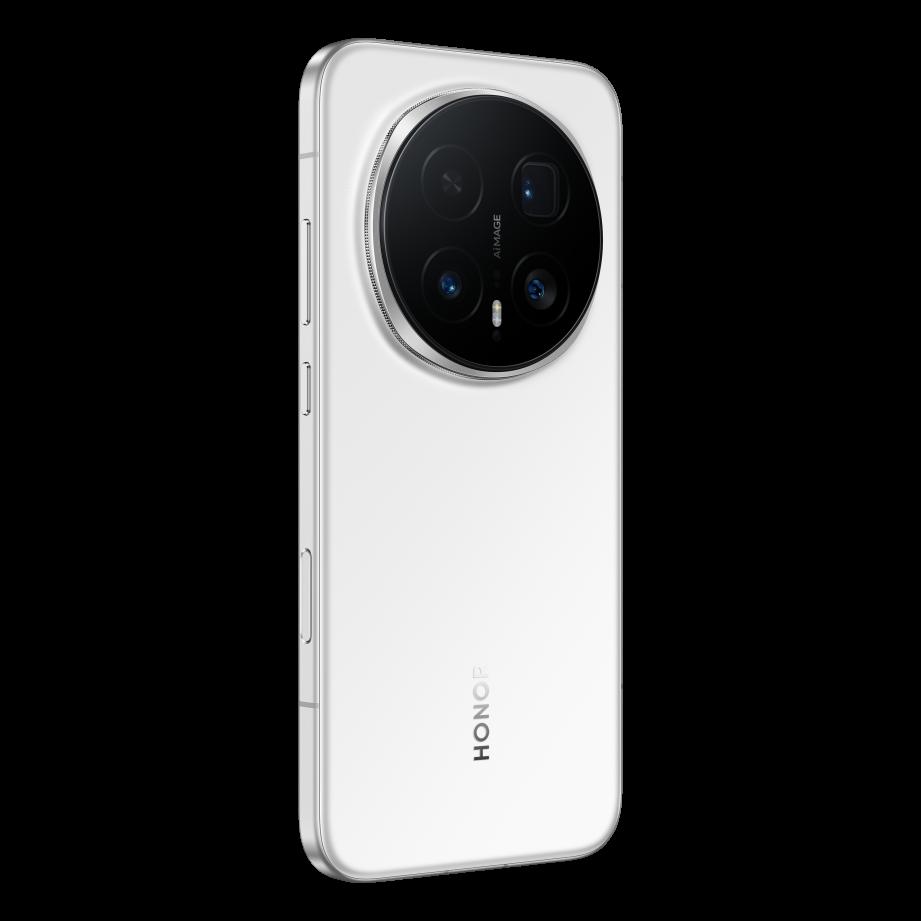
Smartphones expose users to styles, products, and ideas they might never encounter in their local surroundings. Each search or discovery leads to more suggestions or categories that inspire curiosity. This exploration broadens taste and encourages people to try new things. They begin noticing patterns in what appeals to them—colors, materials, formats, or functions. Smartphones help users refine their preferences through repeated interactions. This process feels organic, as the phone adapts to the user’s rhythm. Many shoppers enjoy a device that keeps their experience smooth throughout this discovery, such as the HONOR Magic8 Pro, which maintains responsiveness during extended browsing sessions.
Conclusion
Smartphones reshape global shopping behavior by connecting discovery, comparison, and purchasing into a single, seamless flow. They turn small moments into opportunities for exploration, help shoppers confirm decisions with real-time information, and simplify every step of the buying process. Phones also allow people to move smoothly between online and offline shopping, making the entire experience feel more natural and flexible. By supporting clarity, curiosity, and convenience, smartphones influence how consumers around the world discover products, make choices, and enjoy their purchases. These changes continue to shape modern shopping habits and inspire new ways of interacting with goods, services, and experiences across cultures.